
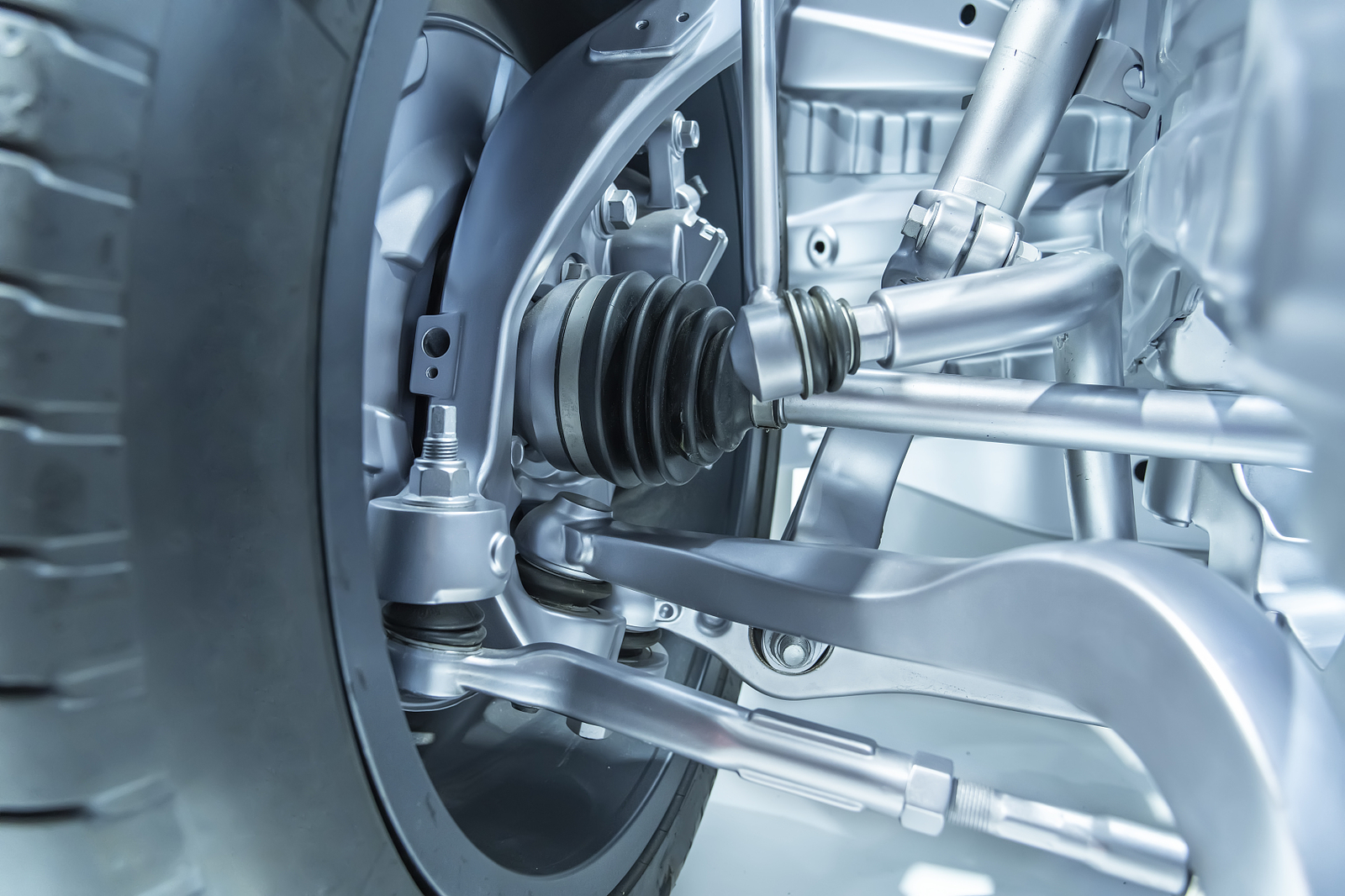
Automotive parts are heavy, high-maintenance, and often require fast replacement. This makes fulfillment strategy a profit-defining decision.
Cross-Border Shipping — Pros & Cons
Pros
- No upfront warehouse cost
- Simplified operations at the factory side
Cons
- 7–20 day delivery times
- High shipping cost per unit
- Customs delays and risk
- Lower conversion rate
- Higher return rate
- Weak competitiveness compared with domestic sellers
Local Canadian Warehousing — The Growth Model
A local warehouse in Canada delivers clear benefits:
- 1–2 day delivery
- Domestically accepted return process
- 20–50% improvement in conversion
- Lower total logistics cost
- Better customer satisfaction
- Higher advertising efficiency
Why Automotive Parts Require Local Fulfillment
Automotive parts shoppers often buy due to:
- Vehicle breakdowns
- Urgent repair needs
- Winter-related damage
In these situations, speed wins.
Cost Comparison Example
| Item | Cross-Border | Local Warehouse |
|---|---|---|
| Average delivery time | 7–20 days | 1–2 days |
| Return processing | Slow and costly | Fast and standardized |
| Conversion rate | Low | High |
| Logistics cost per unit | High | Medium / Low |
Final Thoughts
For automotive brands, a Canadian warehouse is not an expense — it is an accelerator. It builds trust, increases sales, and reduces operational risk.